
2026-09-14 · Tyler Jensen
How to Spot Furnace Issues Before South Dakota's First Freeze
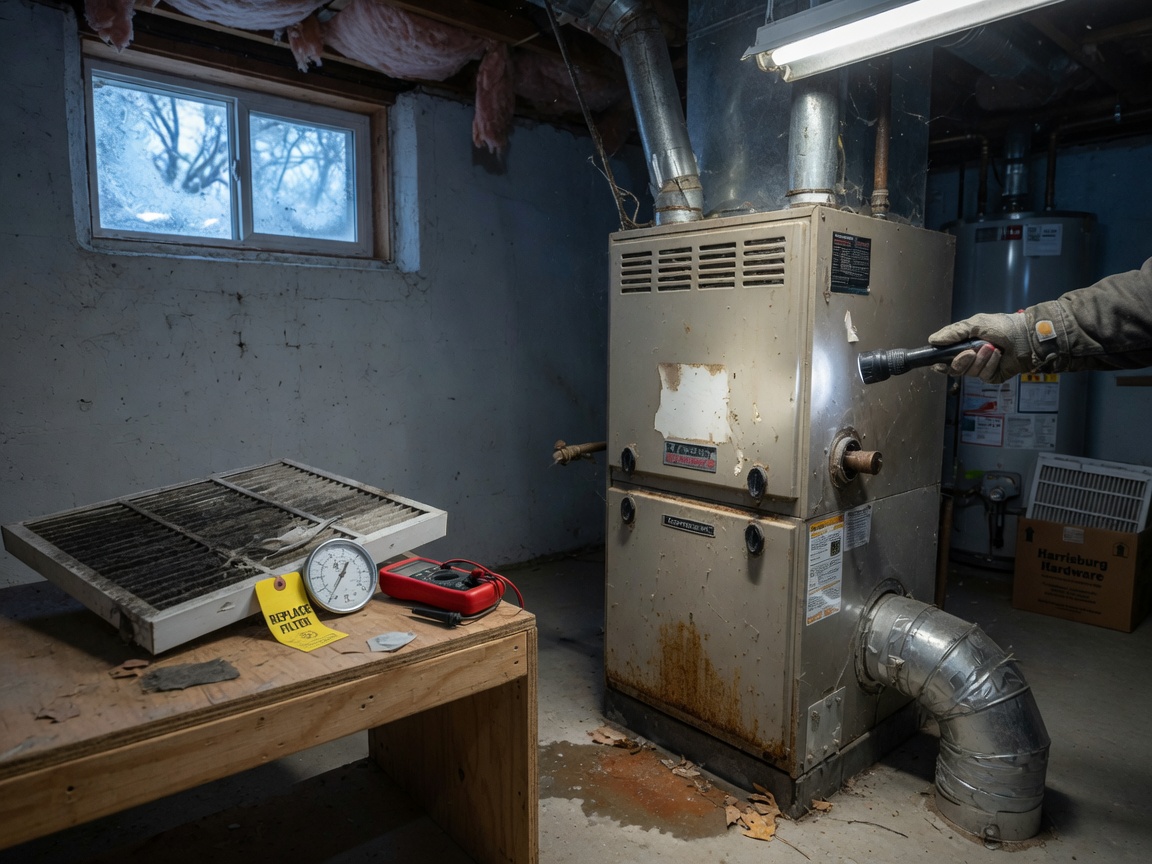
In Harrisburg, check for uneven room temperatures, short cycling, or rattling noises from the furnace as nights turn cold in late fall. These signs often appear first in homes across Legacy and Harrisburg Heights because the humid continental climate brings sudden temperature drops that stress older heating systems after hot summers.
Watching for Uneven Heating Patterns
Lincoln County winters push furnaces hard once temperatures fall below freezing, and homes in Harrisburg Heights often show uneven heat first due to aging ductwork and single-story layouts common in the area. Walk through each room on a cold evening and note any spaces that stay noticeably cooler near windows or exterior walls. In Legacy neighborhoods, two-story homes can develop hot upstairs rooms and chilly main floors when the blower motor struggles with restricted airflow. Measure supply and return temperatures at the unit if possible; a difference under 15 degrees usually points to a clogged filter or failing blower. Residents near Harrisburg City Park report similar patterns after years of dust buildup from nearby fields. Checking these patterns now prevents larger failures once the first hard freeze arrives from the northwest.
Listening for New Noises and Odors
Furnaces in Sioux Falls-adjacent areas like central Harrisburg develop distinct sounds when bearings wear or heat exchangers crack after 8–12 years of service. Stand near the unit during startup and listen for banging, squealing, or rumbling that was not present last season. A metallic smell or visible soot around the cabinet often signals combustion problems made worse by the county's cold, dry air that forces longer run times. Homeowners in Harvest Acres and Green Meadows have noted these issues spike after October because summer humidity leaves behind moisture that corrodes components over time. Track any new odors for two or three cycles; persistent smells warrant shutting the system down until inspected. These auditory and olfactory cues give reliable early warning before a complete shutdown during a cold snap.
Checking Filters and Basic Airflow
Replace the filter every 30–60 days during peak heating months to maintain proper airflow in Lincoln County's variable winters. Homes along the Cliff Avenue Corridor often collect extra dust from traffic and construction, shortening filter life. A clogged filter forces the furnace to work harder, raising energy use and risking overheating. After replacement, note whether the blower runs continuously or shuts off quickly; frequent short cycles usually trace back to airflow restrictions or thermostat placement issues. Link this task to the seasonal checklist in Step-by-Step Furnace Filter Replacement for Local Winters for a repeatable routine. Consistent filter care catches many problems before they require furnace repair during the first freeze.
Planning a Pre-Freeze System Review
Schedule a full inspection once daytime highs stay below 50 degrees, especially for systems older than 10 years in Devitt Farms or Creekside Estates. Technicians check heat exchanger integrity, gas pressure, and safety switches that fail more often after humid summers followed by rapid freezes. Keep the 24-hour line at 220 S Cliff Ave Ste 106A in mind if unusual symptoms appear overnight. Pair the visit with heating maintenance to address small issues before they compound. This timing aligns with typical first-freeze dates in the region and keeps systems reliable through the longest cold stretches.